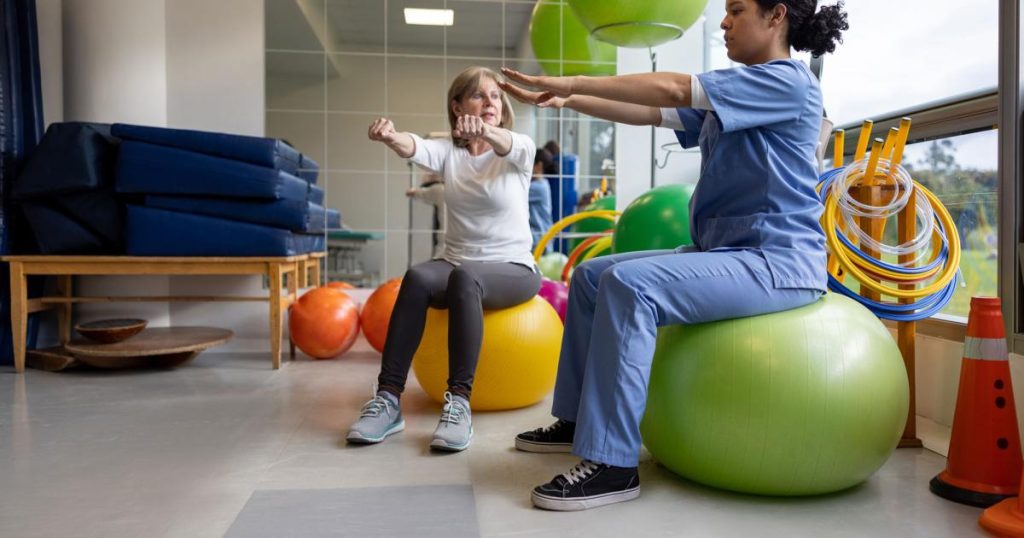
Cultural competence is an essential aspect of disability support services, ensuring that individuals receive care and assistance that respect their backgrounds, values, and unique needs. Disability is experienced differently across cultures, with varying perspectives on inclusion, caregiving, and accessibility. Understanding these differences allows service providers to offer more effective and meaningful support. When professionals in disability services prioritize cultural competence, they create inclusive environments that foster trust, improve communication, and enhance the overall quality of care.
Recognizing Diverse Perspectives on Disability
Cultural beliefs and attitudes toward disability vary significantly across communities. Some cultures embrace an inclusive approach, while others may view disability through a medical or spiritual lens. In some cases, stigma surrounding disability can affect how families seek support, making it essential for service providers to understand and respect these perspectives. By acknowledging and addressing cultural differences, professionals can build stronger relationships with individuals and their families, ensuring that services are both respectful and effective.
Improving Communication and Trust
Language barriers, differing communication styles, and cultural norms can impact interactions between individuals with disabilities, their families, and support providers. Culturally competent professionals take the time to understand these differences, using clear language, interpreters, or culturally appropriate materials to facilitate communication. Establishing trust is key in disability support services, and respecting cultural backgrounds helps create a comfortable and supportive environment where individuals feel heard and valued.
Tailoring Services to Meet Individual Needs
A one-size-fits-all approach does not work in disability support services, as each individual has unique needs influenced by their cultural background. Cultural competence ensures that care plans, therapy approaches, and community programs align with the values and expectations of those receiving support. Whether adjusting dietary considerations, religious accommodations, or preferred methods of therapy, culturally aware services improve engagement and effectiveness.
Encouraging Family and Community Involvement
In many cultures, families play a central role in caregiving and decision-making for individuals with disabilities. Recognizing and respecting this dynamic strengthens collaboration between support services and families. Community involvement also plays a significant role in shaping accessible programs and resources. Service providers who engage with cultural and community organizations create more inclusive and supportive networks, ultimately improving access to necessary services.
Promoting Inclusion and Equity
Cultural competence goes beyond individual interactions; it influences policies, accessibility measures, and advocacy efforts. Ensuring that disability services consider diverse needs helps promote equity and inclusion at a broader level. Training staff in cultural awareness, diversifying hiring practices, and incorporating multicultural perspectives into program development contribute to a more inclusive support system. When services are designed with cultural diversity in mind, they become more accessible and effective for all individuals, regardless of background.
Addressing Barriers to Accessing Services
Many individuals with disabilities face barriers when trying to access support services, and cultural factors can further complicate these challenges. Some communities may have limited awareness of available resources, while others may encounter stigma or mistrust in seeking assistance. Cultural competence in disability services helps identify and address these barriers, ensuring that individuals and families feel comfortable reaching out for support. Providing multilingual resources, culturally sensitive outreach programs, and community-driven initiatives makes services more accessible to diverse populations. Proactively addressing these challenges creates a more inclusive system that reaches those who may otherwise be underserved.
Training and Education for Service Providers
Developing cultural competence requires ongoing education and training for professionals in disability support services. Understanding cultural values, traditions, and perspectives on disability helps service providers offer more effective care. Training programs that focus on diversity, equity, and inclusion equip professionals with the tools to communicate respectfully, adapt services to different needs, and recognize implicit biases. Encouraging cultural awareness among staff fosters a more inclusive approach to disability support, ensuring that individuals receive services that align with their beliefs and preferences. Continuous learning and open dialogue within organizations strengthen respect and inclusion in disability services.
Conclusion
Cultural competence in disability support services is essential for providing respectful, effective, and inclusive care. Understanding different perspectives on disability, improving communication, and tailoring services to individual needs strengthen the quality of support provided. By fostering trust, engaging families, and promoting equity, culturally competent practices enhance the experiences of individuals with disabilities and create a more inclusive society. As communities continue to grow in diversity, prioritizing cultural competence ensures that disability services remain responsive and meaningful for everyone.