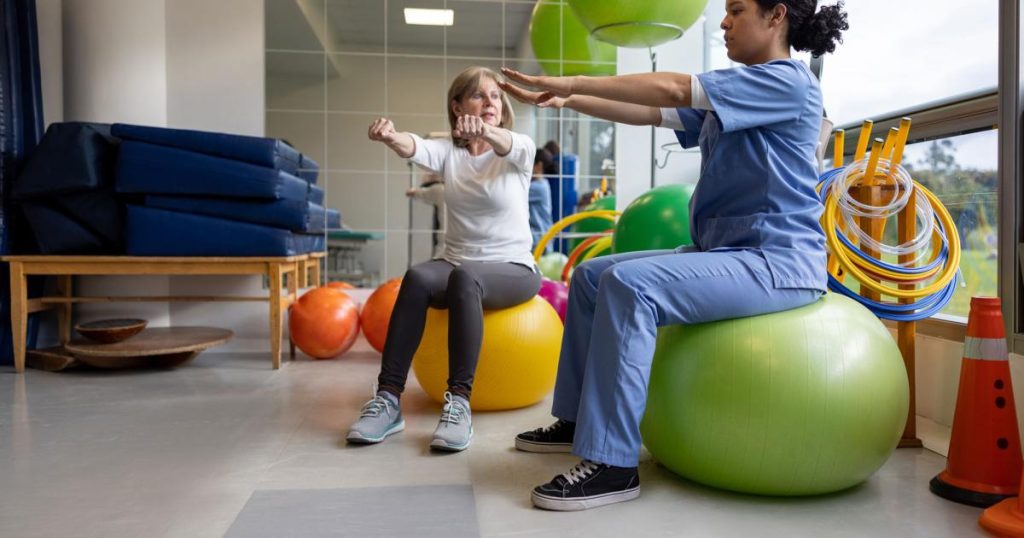
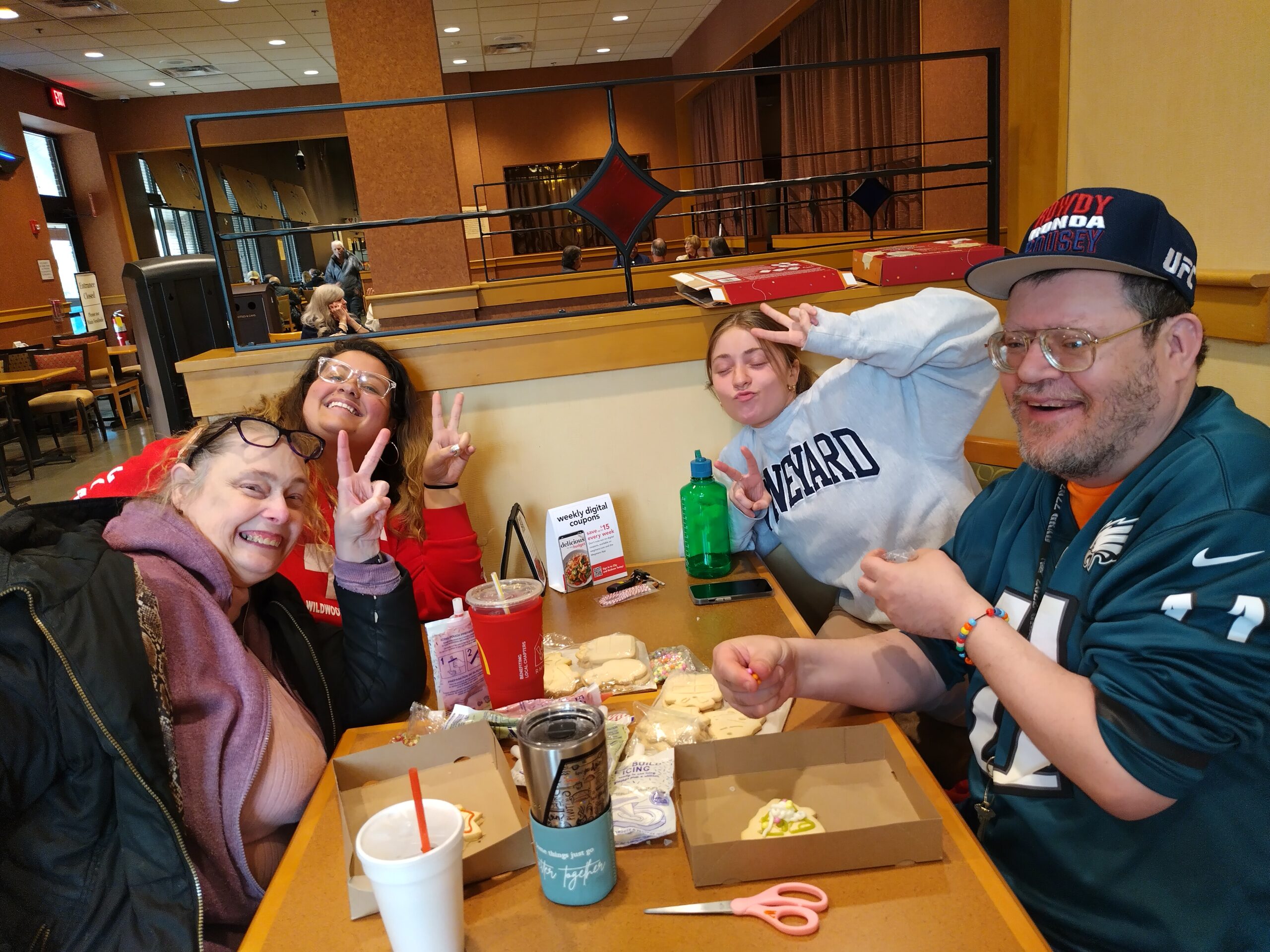
Social skills are essential to daily life, allowing individuals to build relationships, communicate effectively, and navigate different social settings. For individuals with special needs, social interactions can sometimes feel overwhelming or challenging, making it important to provide the right support and opportunities to develop these skills. Social growth doesn’t happen overnight—it requires patience, practice, and a supportive environment. Encouraging meaningful interactions, using creative strategies, and fostering confidence can help special needs individuals build stronger connections with others and feel more comfortable in social settings.
Encouraging Structured Social Interactions
Unstructured social situations can sometimes be overwhelming, but structured interactions provide a safe way to practice essential skills. Organized group activities, such as social skills classes, role-playing exercises, or small-group discussions, help individuals learn appropriate social behaviors in a controlled setting. Practicing greetings, turn-taking, and active listening in structured environments helps build confidence. Activities that involve teamwork, such as board games, cooperative sports, or group projects, teach important skills like cooperation, patience, and problem-solving while making social learning fun.
Using Visual and Behavioral Cues
Many individuals with special needs benefit from visual supports that guide social behavior. Visual schedules, social stories, and picture cards can help break down complex social interactions into easy-to-understand steps. For example, a social story about meeting a new friend might include pictures or short descriptions that outline how to introduce oneself, ask questions, and take turns in a conversation. Behavioral modeling, where an adult or peer demonstrates appropriate social behaviors, also helps individuals observe and practice interactions in real-life situations.
Practicing Communication Through Role-Playing
Role-playing different social scenarios allows individuals to practice real-world interactions in a supportive setting. Acting out common social situations, such as ordering food at a restaurant, making a phone call, or asking for help, helps individuals develop communication confidence. Using fun and engaging scripts provides guidance while still allowing for personal expression. Practicing different tones, facial expressions, and gestures also helps individuals recognize nonverbal social cues, which are important for understanding emotions and responding appropriately in conversations.
Creating Opportunities for Peer Interaction
Spending time with peers is one of the best ways to develop social skills. Playdates, group activities, and inclusive social groups provide opportunities for individuals to interact with others in a natural and supportive environment. Encouraging friendships through shared interests—such as art, music, gaming, or sports—makes socializing more enjoyable and meaningful. Programs like buddy systems or mentorship pairings also provide individuals with role models who can offer guidance and encouragement in social settings.
Using Technology to Enhance Social Skills
Technology can be a valuable tool in teaching social skills, especially for individuals who may feel more comfortable communicating in digital spaces. Apps that focus on social-emotional learning, interactive video modeling programs, and online social groups provide safe spaces to practice conversations and interactions. Video chats with family and friends also help individuals practice speaking, listening, and turn-taking in real-time conversations. Balancing screen-based interactions with in-person experiences ensures that individuals develop well-rounded social skills.
Teaching Emotional Regulation and Coping Strategies
Social interactions can sometimes be stressful, especially when unexpected challenges arise. Helping individuals develop emotional regulation skills ensures they can handle social situations more confidently. Teaching deep breathing techniques, mindfulness strategies, or self-calming exercises can help manage anxiety in social settings. Encouraging self-advocacy by teaching individuals how to express their feelings, ask for a break, or seek support when needed empowers them to navigate social situations with less stress and more control.
Building Confidence Through Positive Reinforcement
Confidence is key to successful social interactions. Recognizing and celebrating small social achievements, such as making eye contact, greeting someone, or joining a conversation, helps build self-esteem. Providing praise, encouragement, and rewards reinforces positive social behaviors and motivates individuals to keep practicing. Creating a supportive environment where mistakes are seen as learning opportunities, rather than failures, helps individuals feel safe to explore social interactions without fear of judgment.
Conclusion
Improving social skills in special needs individuals requires patience, creativity, and ongoing practice. Structured interactions, visual supports, role-playing, and peer engagement provide valuable learning and growth opportunities. Technology and emotional regulation strategies further enhance social development, helping individuals feel more comfortable in different social settings. With the right support, encouragement, and confidence-building strategies, individuals with special needs can develop meaningful connections and thrive in their social interactions.