

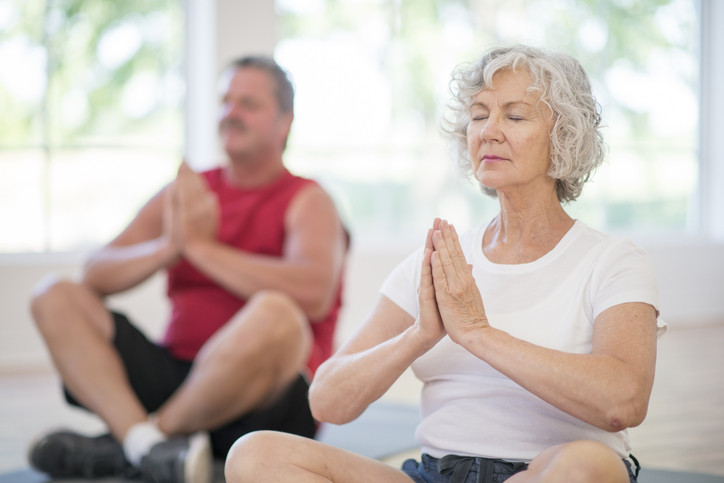
Mindfulness is an effective practice for reducing anxiety, helping individuals stay present and grounded in the moment. Anxiety often arises from excessive worrying about the future or dwelling on past events, but mindfulness techniques encourage awareness, acceptance, and a sense of calm. Research from The American Psychological Association states that “mindfulness-based practices significantly reduce stress and anxiety by promoting self-awareness and emotional regulation.” Incorporating mindfulness into daily routines can improve mental well-being, enhance focus, and foster a sense of inner peace.
Deep Breathing Exercises
Conscious breathing is one of the most effective mindfulness techniques for reducing anxiety. Focusing on slow, intentional breaths helps regulate the nervous system and promotes relaxation. The 4-7-8 breathing method, which involves inhaling for four seconds, holding for seven seconds, and exhaling for eight seconds, is commonly used to calm the mind. Studies from The Journal of Clinical Psychology indicate that “controlled breathing lowers cortisol levels, reduces stress responses, and enhances emotional balance.” Practicing deep breathing regularly can provide instant relief from anxious thoughts.
Body Scan Meditation
Body scan meditation involves bringing awareness to different parts of the body, helping release physical tension associated with anxiety. This technique encourages individuals to mentally scan from head to toe, noticing areas of tightness or discomfort without judgment. Research published in Mindfulness and Acceptance Studies found that “body scan meditation enhances relaxation and reduces stress-related physical symptoms.” Practicing body awareness fosters a deeper connection between the mind and body, promoting overall well-being.
Grounding Techniques
Grounding exercises help redirect attention away from anxious thoughts and bring focus to the present moment. The 5-4-3-2-1 grounding method is a popular mindfulness strategy that encourages individuals to identify:
- 5 things they can see
- 4 things they can touch
- 3 things they can hear
- 2 things they can smell
- 1 thing they can taste
This technique helps shift focus away from worry and anchors the mind in the present. Research from The Journal of Anxiety Disorders states that “grounding techniques are effective in reducing anxiety by providing sensory engagement and cognitive redirection.”
Mindful Walking
Walking mindfully allows individuals to connect with their surroundings while focusing on movement and breath. Instead of rushing through a walk, mindful walking encourages paying attention to each step, the sensation of feet touching the ground, and the rhythm of breathing. A study from The International Journal of Behavioral Medicine suggests that “mindful walking reduces stress, enhances cognitive function, and improves overall mood.” Practicing this technique outdoors, especially in nature, further amplifies its calming effects.
Journaling for Self-Reflection
Writing down thoughts and emotions helps process anxious feelings and brings clarity to overwhelming situations. Mindful journaling involves expressing worries, gratitude, or reflections without judgment. Research from The Journal of Positive Psychology highlights that “expressive writing improves emotional regulation and decreases symptoms of anxiety.” Journaling can be structured with prompts, such as writing three things one is grateful for or describing a recent positive experience, fostering a more balanced mindset.
Progressive Muscle Relaxation (PMR)
PMR involves tensing and relaxing different muscle groups to release stored tension in the body. This method is especially helpful for individuals who experience physical symptoms of anxiety, such as muscle tightness or headaches. A study from The Journal of Behavioral Therapy and Experimental Psychiatry found that “progressive muscle relaxation significantly lowers anxiety levels and improves physical relaxation.” Practicing PMR before bedtime can also aid in better sleep quality.
Visualization and Guided Imagery
Visualization techniques help reduce anxiety by focusing on calming mental images. Guided imagery involves picturing a peaceful scene, such as a beach, forest, or mountain landscape, and immersing oneself in the details of the environment. According to research in The Journal of Mental Health Research in Intellectual Disabilities, “visualization techniques activate relaxation responses and promote emotional stability.” Pairing visualization with deep breathing enhances its calming effects and provides a mental escape from anxious thoughts.
Conclusion
Mindfulness techniques offer practical and effective ways to reduce anxiety and promote emotional balance. Deep breathing, body scan meditation, and grounding exercises help individuals stay present and manage stress. Walking mindfully, journaling, and practicing progressive muscle relaxation further support relaxation and self-awareness. Visualization techniques provide additional tools for creating a sense of calm. Incorporating mindfulness into daily life builds resilience against anxiety and fosters a greater sense of peace and well-being.


