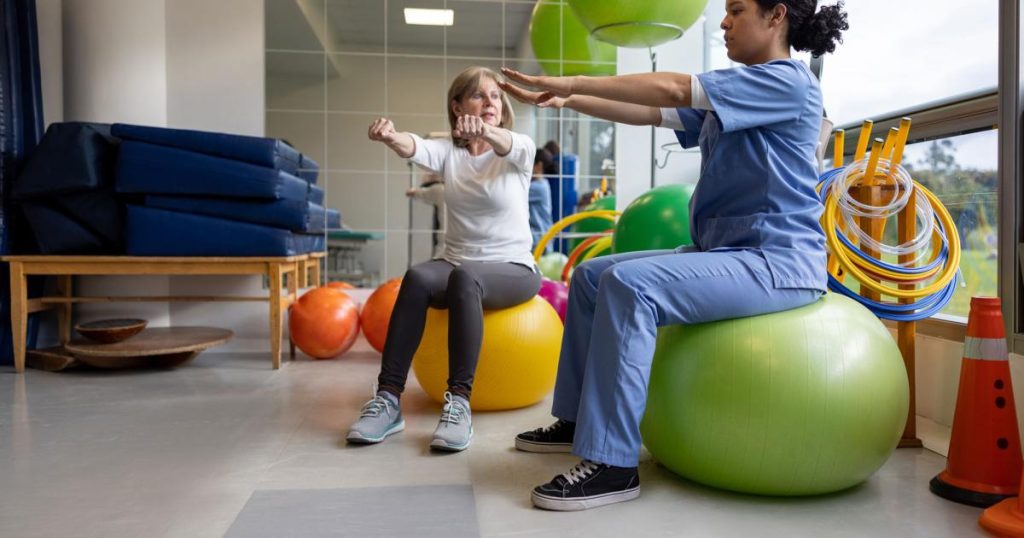
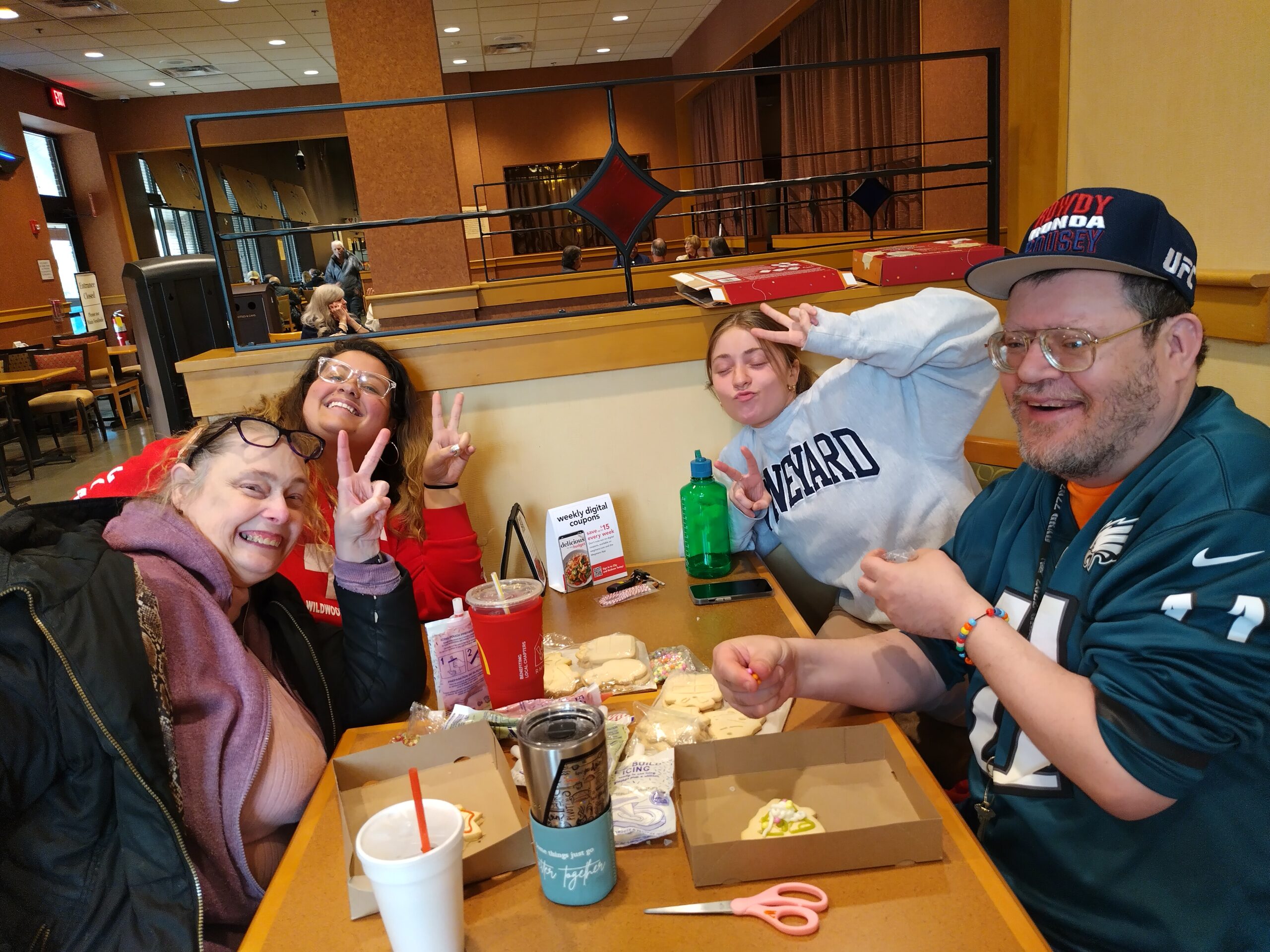
Prosocial behavior refers to voluntary actions intended to benefit others or contribute positively to society. It includes everyday acts of kindness and organized efforts to help needy people. From simple gestures like holding the door for someone to larger commitments like community volunteering or donating to charity, prosocial behavior covers many actions. These behaviors form the foundation of trust and cooperation in society. In a world often focused on individual success, prosocial actions highlight the power of empathy, generosity, and human connection.
The Psychological and Social Foundations of Prosocial Behavior
Prosocial behavior is driven by psychological and social factors that encourage us to care for one another. Empathy plays a crucial role – understanding and sharing others’ feelings motivates people to help. Humans even seem to have an innate capacity for compassion, rooted in our evolutionary need to cooperate for survival. People also experience personal rewards from helping others; doing a good deed can trigger positive emotions and a satisfying “helper’s high” that reduces stress. Cultural values and social norms further reinforce prosocial tendencies. From a young age, people are taught the importance of kindness and fairness, creating a mindset that makes helping others feel like the right thing to do.
Examples of Prosocial Behavior
Prosocial behavior can be seen in many forms in daily life. Common examples include:
- Volunteering and Community Service: Donating time and effort to help others without expecting a reward – for example, working at a food bank or participating in a neighborhood clean-up. These actions directly aid those in need and strengthen community bonds.
- Charitable Giving: Donating money, goods, or services to support a cause or people in need is a tangible way to show compassion and share resources (e.g., contributing to a relief fund or giving to a local shelter).
- Helping and Cooperation in the Workplace: Being a team player at work by mentoring, sharing tasks, and helping colleagues when needed. This kind of cooperation builds a positive work culture and boosts productivity.
The Broader Impact on Society
When prosocial behavior is common, individual good deeds add up to a stronger society. One major effect is stronger communities built on trust and mutual support. In places where people help each other, there’s more safety, social cohesion, and a sense of security for everyone. Prosocial actions also improve overall well-being: those who give or receive help often feel happier and less lonely, and generous communities take better care of vulnerable members.
Additionally, prosocial behavior can boost development. Donations and volunteer efforts support public services like education and healthcare, helping communities thrive. A culture of cooperation and trust also stimulates the economy by making it easier for people to collaborate and innovate. A society rich in kindness lays the groundwork for long-term social progress and resilience.
Encouraging Prosocial Behavior
Cultivating a culture of kindness and cooperation requires effort from all parts of society. Here are strategies to encourage prosocial behavior:
- Individuals: Practice empathy daily — small acts like listening or offering help make a difference, and children learn these values when parents and teachers model kindness. Making a habit of volunteering (even in small ways) keeps the cycle of goodwill going.
- Organizations: Create an environment that values helping and teamwork. For example, workplaces can promote team projects and recognize employees who assist others, and schools can include service programs that teach students the value of community involvement.
- Policymakers and Leaders: Make prosocial action easier by funding community programs and offering incentives for volunteering and charity. Public campaigns and community events (like city-wide service days) also inspire people to get involved and help build a compassionate society.
Conclusion
Prosocial behavior is more than just a few good deeds — it is a cornerstone of a thriving society. Motivated by empathy, cultural values, and the simple joy of helping, acts of kindness and cooperation bring out the best in human nature. Their impact is far-reaching: people feel more connected, communities grow more resilient, and even the broader economy benefits when kindness is commonplace. We invest in a brighter, more collaborative future by understanding and encouraging prosocial behavior at all levels. In the end, fostering a culture of kindness and cooperation benefits everyone, creating a society where people support each other and collectively thrive.