A strong community is more than just a group of people living in the same place—it is a support system that shapes the way individuals experience life. Whether it’s a neighbor lending a hand, a local business creating jobs, or volunteers stepping up in times of need, community support plays a vital role in improving the well-being of its members.
In a world that can often feel isolating, the presence of a caring and engaged community makes a significant difference. People thrive when they feel connected to others, supported during challenges, and encouraged to pursue opportunities. Through emotional support, financial assistance, health resources, and educational growth, communities contribute to a higher quality of life for everyone.
Emotional Well-Being and Mental Health
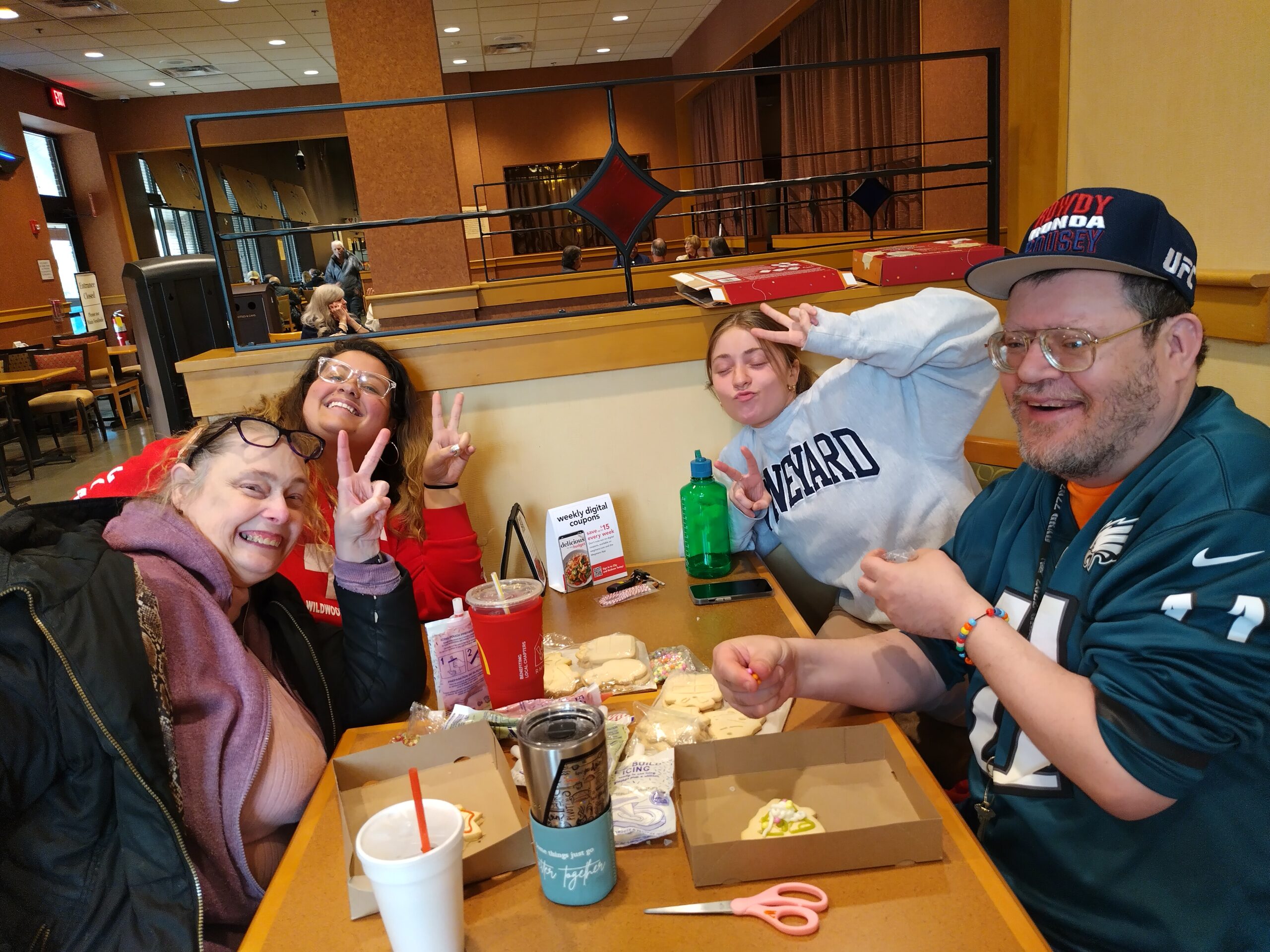
Feeling a sense of belonging is a fundamental human need. When individuals have access to a strong support network, they are less likely to feel isolated or overwhelmed by life’s challenges. Simple gestures like checking in on a friend, participating in local events, or joining a community group provide a sense of connection and emotional security. Knowing that there are people who care and are willing to offer support helps reduce stress, anxiety, and depression.
Communities that prioritize mental health initiatives, such as peer support groups and counseling services, create an environment where people feel safe to talk about their struggles. Even small social interactions play a significant role in emotional well-being. Having someone to share experiences with or seek advice from fosters resilience, helping individuals cope better with setbacks and uncertainties.
Economic Stability and Opportunity
A strong local economy provides individuals with better financial stability and growth opportunities. Small businesses, job training programs, and financial literacy workshops help people secure employment and improve their economic situations. When community members actively support local businesses, money circulates within the neighborhood, creating job opportunities and fostering overall prosperity.
Financial support services such as food banks, emergency assistance programs, and affordable housing initiatives help those struggling to meet basic needs. Community-driven economic initiatives provide immediate relief and empower individuals to achieve long-term stability. A thriving local economy reduces poverty rates and creates an environment where people feel secure and capable of planning for their future.
Stronger Social Bonds and Trust
Healthy communities are built on trust, mutual respect, and meaningful relationships. People actively engage with their neighbors and participate in social activities, creating a culture of support and cooperation. Simple interactions, such as helping a neighbor with groceries or participating in a neighborhood cleanup, strengthen the bonds that hold communities together.
Strong social connections contribute to safer and more resilient neighborhoods. When individuals know and trust each other, they are more likely to look out for one another, report concerns, and collaborate on solutions. A connected community enhances personal relationships and fosters a sense of collective responsibility, ensuring that no one feels alone or neglected.
Health and Wellness
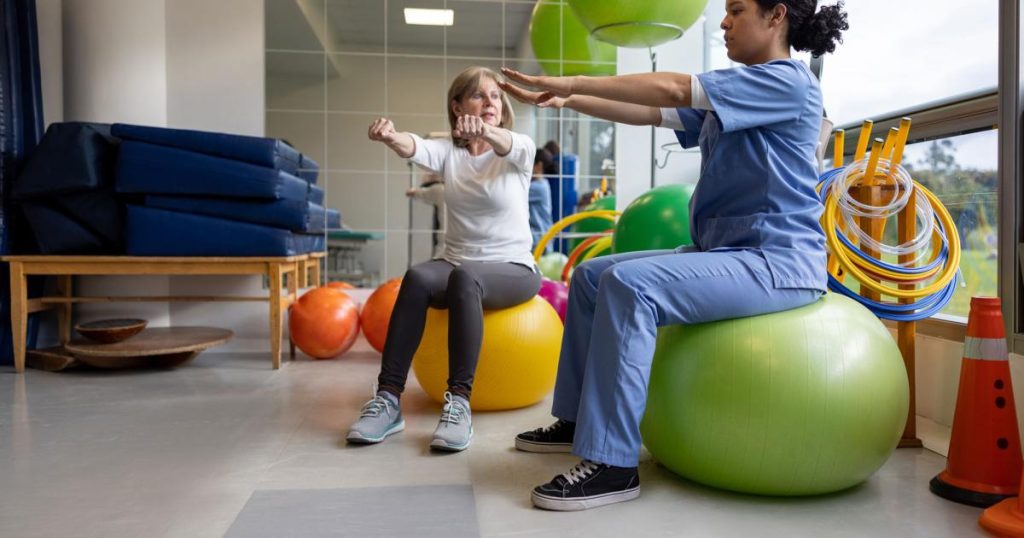
Access to health resources, fitness programs, and medical services significantly impacts a community’s well-being. Many local initiatives offer free or affordable healthcare services, making it easier for individuals to receive necessary medical attention. When healthcare is prioritized, overall quality of life improves, and people experience fewer preventable illnesses.
Communities that promote physical activity and healthy lifestyles encourage long-term wellness. Parks, recreational centers, and group exercise programs provide opportunities for people to stay active while fostering social interaction. When individuals engage in healthy habits alongside others, they are more likely to remain motivated and committed to their well-being.
Education and Lifelong Learning
Education is a powerful tool for personal growth and community development. Access to quality schools, mentorship programs, and skill-building workshops helps individuals of all ages achieve their full potential. Children in communities that emphasize education are more likely to succeed academically, leading to better career opportunities and a brighter future.
Lifelong learning opportunities also benefit adults, providing career advancement programs, vocational training, and personal development courses. When a community values continuous education, it creates an environment where individuals can keep up with an evolving job market, learn new skills, and contribute meaningfully to society.
Conclusion
A supportive community enhances the lives of its members in countless ways. Emotional well-being, economic security, social connections, health, education, and crisis support all contribute to a higher quality of life. When people come together to uplift and assist one another, they create an environment where everyone has the opportunity to thrive.
Investing in community relationships, participating in local initiatives, and simply offering a helping hand can make a real difference. A strong community isn’t just about shared space—it’s about shared care, shared growth, and shared hope. In a world that often feels divided, the power of community reminds us that we are always stronger together.