Social interactions are fundamental to everyday life, yet for individuals with developmental disabilities, navigating conversations, understanding nonverbal cues, and forming relationships can be challenging. Expressing emotions, interpreting social situations, or even initiating small talk may require deliberate practice and guidance. Social skills training (SST) serves as a powerful tool, equipping individuals with the necessary skills to engage with others effectively.
Through structured lessons, modeling, role-playing, and reinforcement techniques, social skills training enhances communication, emotional regulation, and relationship-building. These skills empower individuals to interact with confidence in social, academic, and professional settings. A closer look at the benefits of this training reveals its profound impact on the lives of individuals with developmental disabilities.
Developing Effective Communication
Verbal and nonverbal communication present significant hurdles for individuals with developmental disabilities. Engaging in conversations, recognizing sarcasm, and interpreting facial expressions can be difficult without proper guidance. Social skills training offers structured approaches that teach effective ways to initiate, maintain, and conclude conversations appropriately.
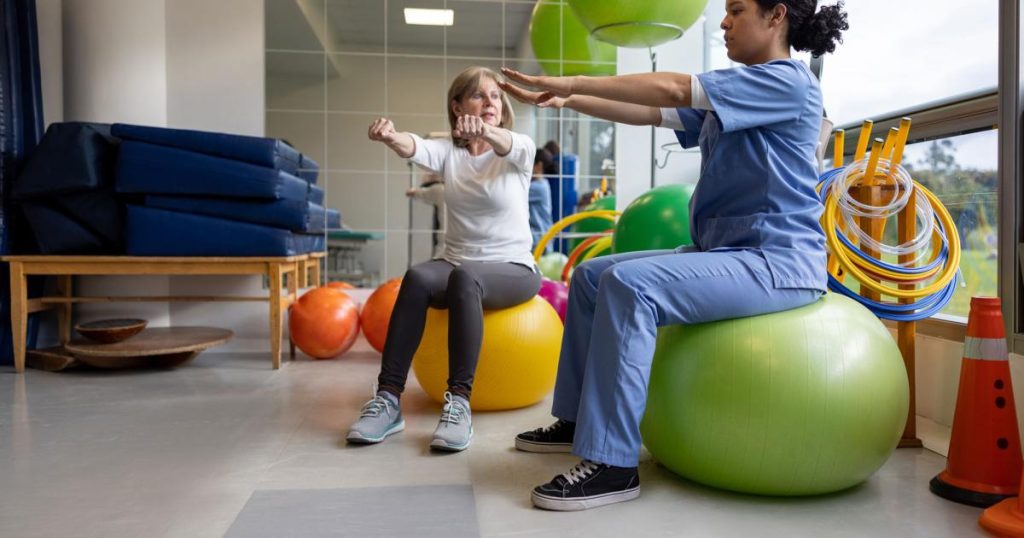
Speech therapists and behavioral specialists utilize role-playing exercises to reinforce essential skills such as eye contact, active listening, and clear articulation. Repetitive practice and real-world application help individuals become more comfortable with social exchanges. Confidence in communication enhances self-expression, fosters deeper connections, and reduces the likelihood of social withdrawal.
Enhancing Emotional Regulation
Managing emotions plays a crucial role in social interactions. Many individuals with developmental disabilities experience difficulties in processing frustration, disappointment, or anxiety. Social skills training incorporates emotional regulation techniques that help individuals navigate challenging situations with composure.
Techniques such as deep breathing exercises, self-calming strategies, and positive reinforcement provide individuals with tools to handle stress effectively. Learning to recognize and label emotions also fosters greater self-awareness. Engaging in guided discussions and structured exercises allows individuals to practice responding to emotional triggers in a healthy and constructive manner.
Building Meaningful Relationships
Developing and maintaining friendships requires a combination of cooperation, empathy, and understanding of social boundaries. Individuals with developmental disabilities may struggle with reciprocity in relationships, often experiencing difficulty in reading emotions or adapting to social expectations.
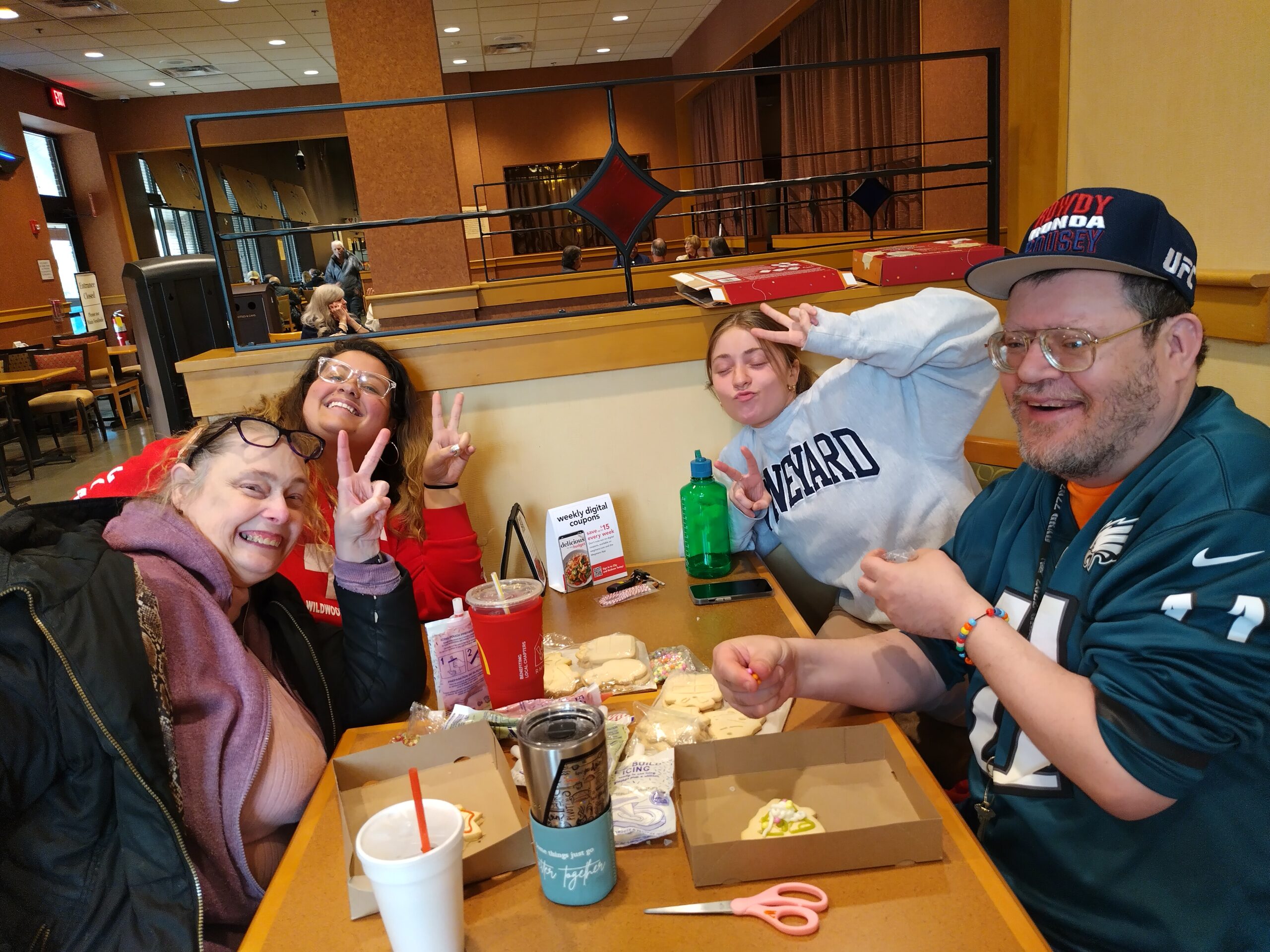
Social skills training provides structured group activities, peer interactions, and guided conversations that reinforce teamwork, active participation, and perspective-taking. Understanding personal space, practicing turn-taking, and showing appreciation toward others strengthens relationships and encourages meaningful social connections. A supportive environment fosters confidence, reduces social isolation, and improves overall emotional well-being.
Promoting Independence and Social Confidence
Independence in daily life often depends on the ability to interact effectively with others. Tasks such as ordering food at a restaurant, asking for directions, or responding to workplace instructions require fundamental social skills. Social skills training equips individuals with the confidence to engage in everyday situations independently.
Structured practice in making requests, understanding public etiquette, and engaging in problem-solving conversations helps individuals navigate social environments with ease. Encouragement from mentors and caregivers further reinforces positive social behaviors, allowing individuals to develop autonomy and self-assurance in various aspects of life.
Improving Academic and Workplace Success
Social competence significantly influences success in academic and professional settings. Many schools and workplaces require collaboration, adaptability, and effective communication. Social skills training enhances an individual’s ability to appropriately interact with classmates, colleagues, and supervisors.
Participation in group projects, class discussions, and workplace meetings requires understanding conversational norms, teamwork, and active engagement. Individuals who undergo structured social training demonstrate improved confidence, making building professional relationships easier and navigating workplace expectations. Employers increasingly value neurodiversity, recognizing the potential of individuals with developmental disabilities in various professional roles. Social skills training helps bridge the gap between capability and opportunity, enabling individuals to thrive in academic and career environments.
Methods of Social Skills Training
Tailoring social skills training to meet individual needs ensures effective learning. Various techniques are used to reinforce social behaviors, including:
- Role-Playing and Scenario Practice – Simulated social interactions help individuals practice real-life conversations in a safe, controlled environment.
- Visual Aids and Social Stories – Illustrated guides and storytelling techniques explain social concepts and expectations in an accessible way.
- Group Therapy and Peer Engagement – Learning from peers in small-group settings provides collaboration and skill reinforcement opportunities.
- Technology-Based Learning – Interactive apps, videos, and digital simulations help reinforce social skills in a structured and engaging manner.
Sessions are conducted in schools, therapy centers, community organizations, and home settings, allowing individuals to develop social skills in familiar and supportive environments.
Creating a More Inclusive Society
A society that values and supports individuals with developmental disabilities creates opportunities for greater inclusivity. Encouraging social engagement in community events, educational institutions, and workplaces strengthens relationships and enhances overall quality of life. Educators, employers, and caregivers play a pivotal role in fostering environments that promote acceptance and understanding.
Structured programs, inclusive activities, and open communication create spaces where individuals feel comfortable and empowered. Recognizing and celebrating social growth encourages continued progress and confidence. Advocacy for comprehensive social skills programs ensures that individuals receive the resources necessary to develop meaningful interpersonal relationships.
Conclusion
Social skills training is vital in supporting individuals with developmental disabilities. Strengthening communication abilities, improving emotional regulation, and fostering meaningful relationships contribute to greater independence and confidence. The benefits of structured training extend into academic achievement, workplace success, and community integration.
Empowering individuals with the skills needed to navigate social interactions enhances their quality of life and fosters a more inclusive society. Each opportunity to engage in meaningful social interactions helps bridge gaps, build connections, and create an environment where everyone has the ability to contribute and thrive.