An inclusive community is one where everyone, regardless of ability, feels valued, respected, and able to participate fully in everyday life. For individuals with disabilities, accessibility and inclusion go beyond physical accommodations—they also involve social acceptance, equal opportunities, and meaningful engagement in community activities. Creating an inclusive community requires a collective effort from individuals, businesses, organizations, and local governments. When communities prioritize accessibility, education, and supportive policies, they foster environments where people with disabilities can thrive.
Improving Physical Accessibility in Public Spaces
Accessible infrastructure is one of the most fundamental aspects of an inclusive community. Sidewalks with ramps, accessible transportation options, and properly designed public buildings allow individuals with mobility challenges to navigate their surroundings independently. Businesses and public spaces should ensure that entrances, restrooms, and seating areas accommodate individuals with disabilities. Installing visual and auditory cues, such as braille signage and voice-assisted technology, further enhances accessibility for individuals with visual or hearing impairments. When physical spaces are designed with inclusivity in mind, everyone benefits from a more welcoming and functional environment.
Promoting Inclusive Education and Employment
Equal access to education and job opportunities ensures that individuals with disabilities can achieve independence and contribute to their communities. Schools should provide adaptive learning resources, assistive technology, and individualized support to help students with disabilities succeed. Employers can foster inclusivity by offering flexible work arrangements, workplace accommodations, and diversity training for employees. A study from the Harvard Business Review found that “companies with inclusive hiring practices report higher innovation, employee satisfaction, and productivity.” Encouraging inclusive education and employment benefits both individuals with disabilities and the broader community.
Encouraging Disability Awareness and Advocacy
Many barriers to inclusion stem from a lack of awareness and understanding. Community-wide education on disability rights, accessibility, and respectful communication helps break down stereotypes and misconceptions. Hosting workshops, awareness campaigns, and disability-inclusive events encourages meaningful dialogue and fosters empathy. Advocacy groups play a crucial role in ensuring that community policies and services reflect the needs of people with disabilities. When communities actively promote disability awareness, they create a culture of acceptance and equal opportunity.
Ensuring Accessible and Inclusive Recreational Activities
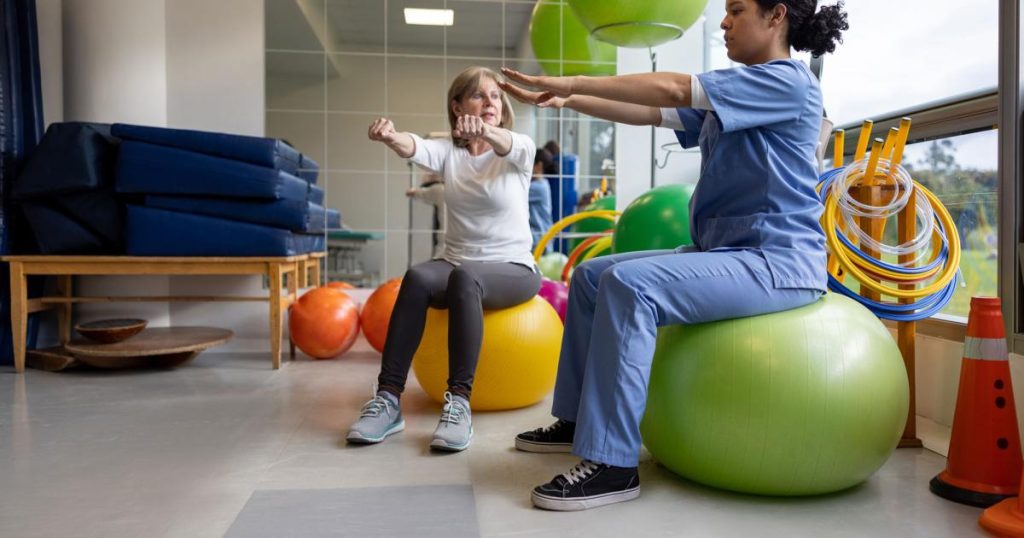
Participation in community events, sports, and recreational programs is important for social connection and well-being. Local governments and organizations can make parks, gyms, and community centers more accessible by incorporating adaptive equipment, wheelchair-friendly trails, and sensory-friendly environments. Offering inclusive recreational programs, such as adaptive sports leagues and arts programs for individuals with disabilities, encourages full participation. Creating these opportunities fosters a sense of belonging and engagement for all members of the community.
Strengthening Community Support Networks
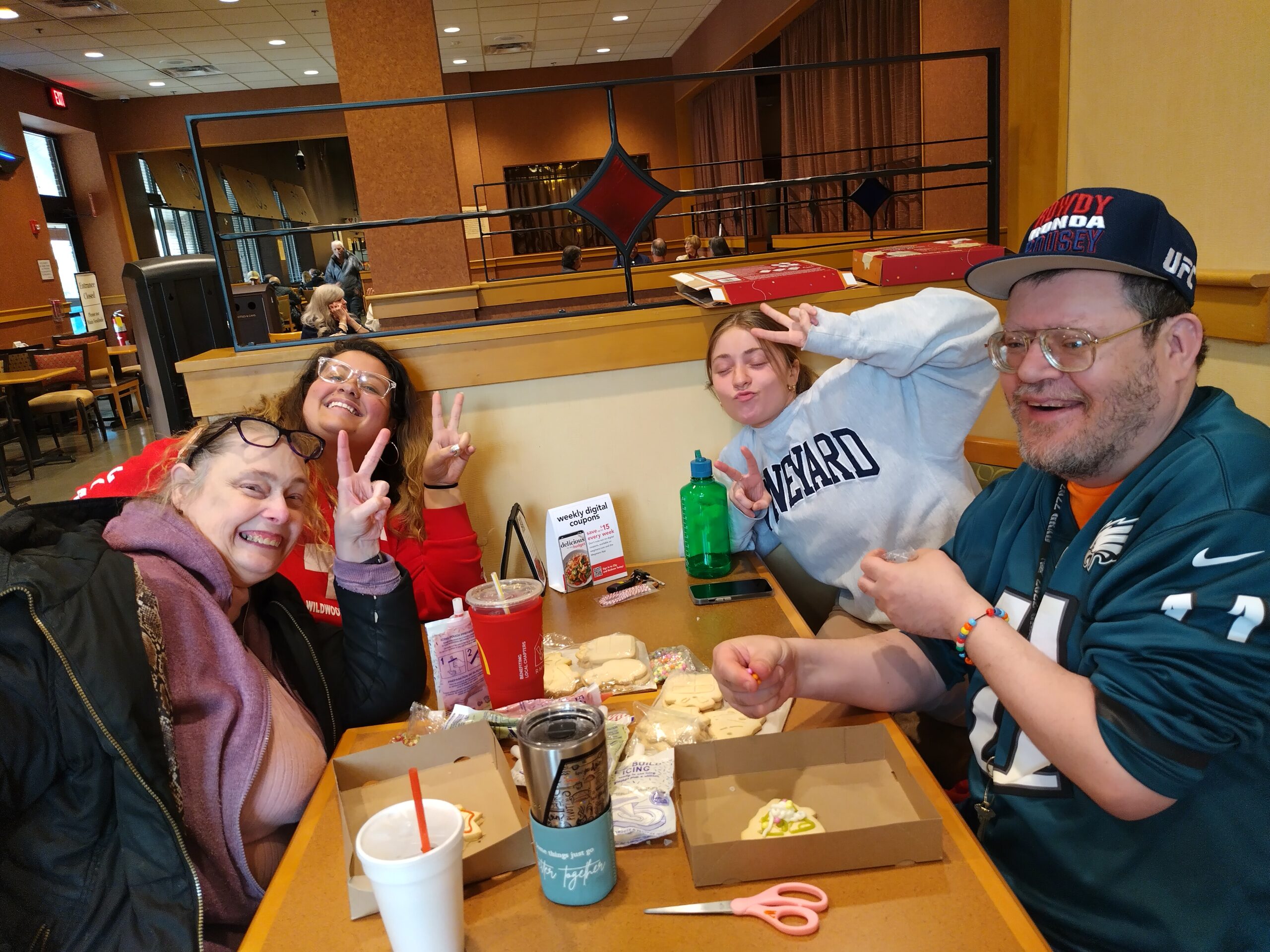
Support networks play a vital role in fostering inclusivity. Community centers, disability resource organizations, and peer support groups provide individuals with disabilities and their families access to essential services and social connections. Faith-based groups, local businesses, and volunteer organizations can also contribute by offering disability-friendly services and assistance. When communities invest in strong support systems, they empower individuals with disabilities to lead fulfilling lives and participate fully in social, educational, and professional activities.
Encouraging Inclusive Policy and Leadership Representation
Inclusive communities are built through policies that prioritize accessibility, equal rights, and social inclusion. Local governments should work closely with disability advocates to ensure that public policies reflect the needs of individuals with disabilities. Representation in leadership roles also plays a significant role in shaping an inclusive community. Encouraging individuals with disabilities to participate in decision-making processes, advisory boards, and community leadership positions ensures that their perspectives and needs are considered in policy development and community planning.
Encouraging Inclusive Transportation Options
Reliable and accessible transportation is essential for individuals with disabilities to fully participate in community life. Public transit systems should incorporate wheelchair-accessible buses, trains, and ride services to ensure ease of travel. Rideshare programs and taxis can also improve inclusivity by offering disability-friendly vehicles and training drivers to assist passengers with mobility challenges. Providing clear signage, audio announcements, and digital accessibility features benefits individuals with visual or hearing impairments. A transportation system that prioritizes accessibility allows people with disabilities to commute to work, attend social events, and engage in community activities without unnecessary barriers.
Conclusion
Building an inclusive community for people with disabilities requires ongoing effort, awareness, and collaboration. Improving physical accessibility, promoting inclusive education and employment, and fostering social acceptance are key steps toward creating a welcoming environment for all. Strengthening support networks, offering inclusive recreational opportunities, and encouraging disability representation in leadership further enhance community inclusivity. When communities prioritize accessibility and inclusion, they create spaces where everyone can participate, contribute, and thrive regardless of ability.